Best Time to Visit the Ngorongoro Area
Seasons, skies and what to pack.
There is no single bad month to visit the Ngorongoro area. The question is what you want to see: big herds and dusty plains, or green hills, dramatic skies and quieter roads.
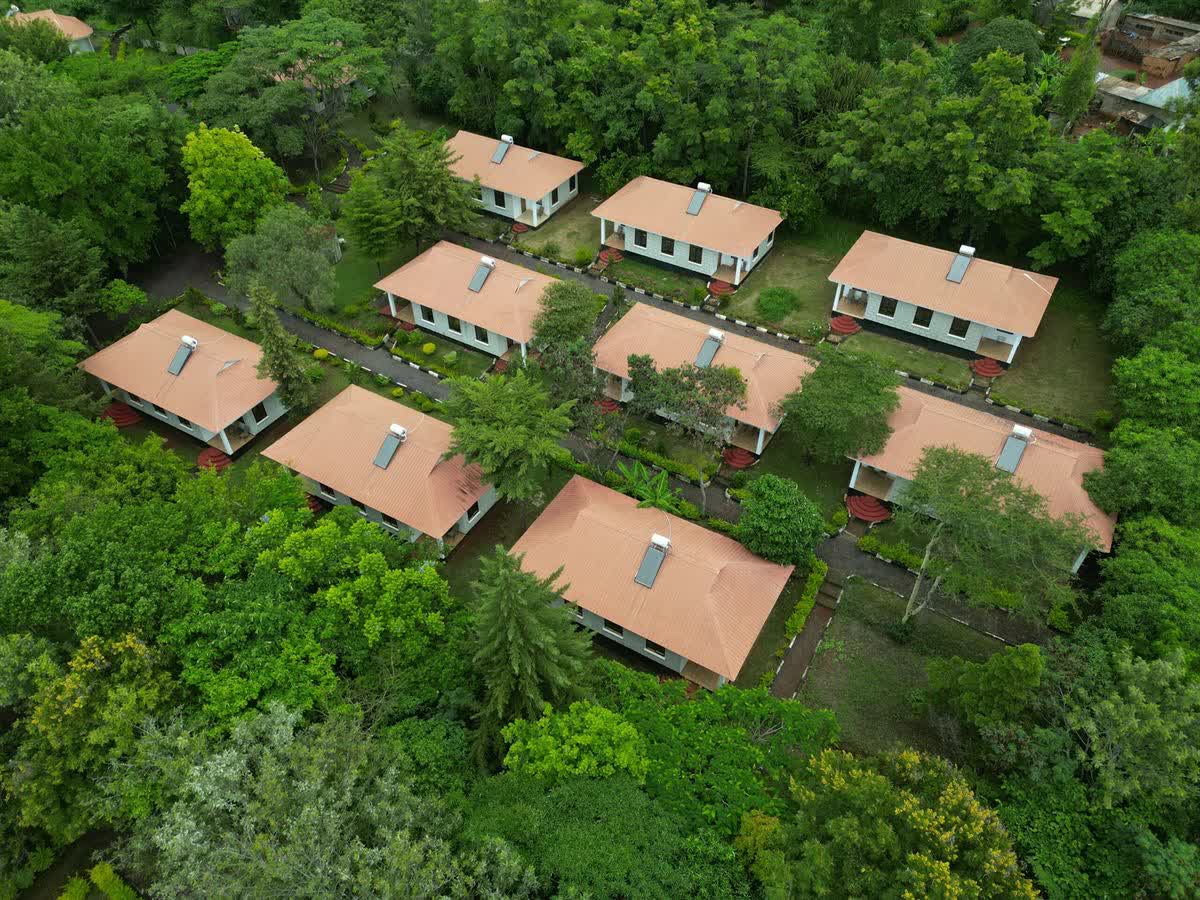
Karatu sits high enough that the climate is milder than on the plains, and the lodge is a comfortable base in either season.
Dry season: June to October
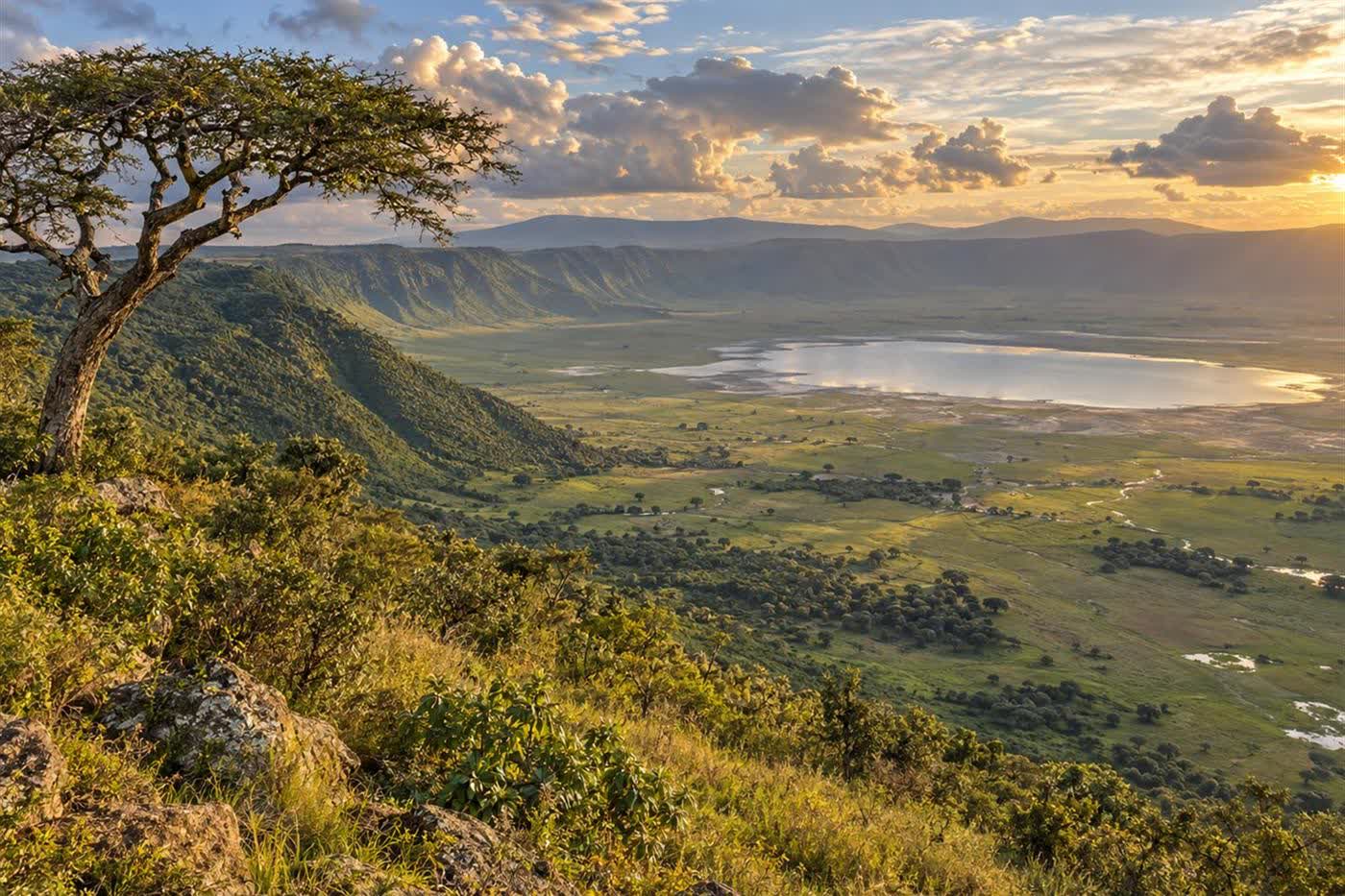
This is the classic safari window. Grass is short, animals gather near water, and the crater floor is easy to read through binoculars. Skies are usually clear and the roads are at their most reliable. It is also the busiest period, so book your room and your crater slot well ahead.
Green season: November to May
Short rains usually arrive around November, with heavier rain from March to May. The landscape turns green, birdlife is excellent and there are fewer vehicles. If you travel in these months, allow extra time for transfers and pack a light rain jacket. Roads can be slow after heavy rain, but the crater itself remains rewarding.
What that means for your stay
For first-time visitors, the dry months are the simplest choice. For photographers, families who prefer fewer crowds and anyone who loves green landscapes, the green season has a lot to offer. Whenever you come, bring layers for cool highland mornings and sun protection for the crater floor.
Plan with Tanzania Safari Trips
Ready to wake up in the wild?
Send your dates. We reply within a day.